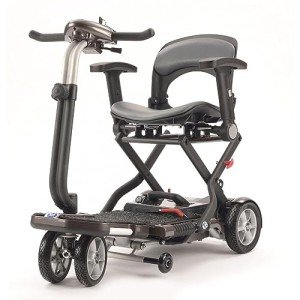
Understanding Disabled Scooters: A Comprehensive Guide
As the world ends up being increasingly conscious of the need for inclusivity, mobility services for people with disabilities have actually developed enormously. Among the most considerable developments in this regard has been the intro and improvement of disabled scooters, typically described as mobility scooters. These scooters are developed to supply people with minimal mobility the ability to navigate their environments easily and independently.
In this article, we'll explore the different types of disabled scooters, their functions, benefits, and important considerations when selecting one. We will likewise respond to regularly asked concerns to further help individuals and their caretakers understand the ins and outs of mobility scooters.
Kinds Of Disabled Scooters
Mobility scooters can be found in various types and styles to accommodate different needs. Here is a comprehensive breakdown:
| Type | Description | Best for |
|---|---|---|
| 3-Wheel Scooters | Normally more maneuverable in tight areas. Needs some balance and provides a smoother trip. | Indoor and outside use in less crowded areas. |
| 4-Wheel Scooters | Provides more stability and typically features greater weight capability. Perfect for outside use. | Rough surfaces or outdoor usage. |
| Portable Scooters | Lightweight and easily taken apart, making them hassle-free for transport in cars. | Travelers or those with minimal storage area. |
| Durable Scooters | Designed for users with larger frames and higher weight capability. Often has effective motors. | Users requiring more stability and sturdiness. |
| All-terrain Scooters | Constructed with rugged tires and boosted suspension systems to manage different terrain types. | Outdoor adventures and varied terrains. |
Features of Disabled Scooters
When thinking about a mobility scooter, it's essential to acknowledge that different functions can greatly affect the functionality and convenience for the user. Below is a list of vital features that many disabled scooters use:
- Comfortable Seating: Many mobility scooters come equipped with cushioned and adjustable seats, making long trips more comfortable.
- Battery Life: Look for scooters with long lasting batteries to guarantee longer journeys without frequent recharging.
- Weight Capacity: Each scooter is developed to carry a specific weight. Understanding this helps users pick an appropriate alternative.
- Speed Options: Some scooters permit users to adjust speed settings for improved control based upon their comfort levels.
- Storage Solutions: Built-in baskets or storage compartments can enhance the scooter's energy for carrying individual valuables.
- Security Features: Many scooters come geared up with lights, reflectors, horns, and even anti-tip features to keep users safe.
- Navigational Aids: Some advanced designs have GPS navigation systems to assist users comprehend their surroundings better.
Advantages of Using Disabled Scooters
The intro of mobility scooters has actually given numerous people the freedom to move around more quickly. Here are a number of key benefits:
- Independence: These scooters make it possible for users to perform day-to-day activities without needing help from family or caregivers.
- Ease of access: Mobility scooters promote access to public areas, improving involvement in community life.
- Boosted Quality of Life: Mobility scooters help in reducing the sensation of isolation and enhance total mental well-being by enabling users to explore their environments.
- Health Benefits: Regular usage encourages physical activity, as users should engage different muscles to browse their environment.
- Affordable: Many models are affordable compared to more advanced mobility devices, making them an available option for lots of.
Essential Considerations When Choosing a Disabled Scooter
Choosing the right mobility scooter involves numerous factors to consider to guarantee that it fulfills the user's needs adequately. Here's a checklist of aspects to consider:
- User's Weight: Confirm the weight capacity of the scooter. This affects security and performance.
- Planned Use: Consider whether the scooter will be utilized more inside or outdoors to choose between 3 or 4-wheel scooters.
- Transportation Needs: Assess whether the scooter needs to be portable for travel or storage, which will direct you towards a foldable or disassemblable model.
- Battery Range: Look at how far the scooter can travel on a single charge to guarantee that it aligns with the user's everyday needs.
- Spending plan: Mobility scooters been available in different cost ranges. visit link to discover one that offers the very best value without jeopardizing safety and convenience.
- Service warranty and Support: Consider designs that offer guarantees and customer assistance for peace of mind relating to repair work and upkeep.
- Reviews and Recommendations: Research user reviews and seek advice from health care specialists or mobility centers about the very best designs for particular needs.
FAQ About Disabled Scooters
1. Are mobility scooters covered by insurance coverage?
Sometimes, yes. Medicare and certain private insurance strategies might cover the cost of mobility scooters for qualifying people. It is essential to contact your insurance coverage supplier for specific requirements.
2. Do I need a chauffeur's license to run a scooter?
Normally, you do not need a chauffeur's license to utilize a mobility scooter. However, state or local regulations may differ, so it's smart to consult your regional guidelines.
3. Can mobility scooters be used inside your home?
Many models are designed particularly for indoor usage and can quickly browse narrow areas. It is vital to choose a model suitable for the intended environment.
4. What upkeep do mobility scooters need?
Routine maintenance includes inspecting tire pressure, making sure the battery is charged, cleaning, and occasionally lubing moving parts. Seek advice from the owner's handbook for particular assistance.
5. How fast can mobility scooters go?
Most mobility scooters are created to travel at speeds in between 4 to 8 mph, depending on the model. Constantly check speed limits in public spaces to adhere to regional laws.
Disabled scooters represent a significant development in mobility help innovation, offering countless people with the flexibility to check out and take part in life actively. By understanding the different types of scooters, their functions, benefits, and critical considerations, users can make educated decisions that best meet their mobility requires. With many models readily available, individuals can discover a mobility scooter that boosts their lifestyle, promoting self-reliance and greater participation in neighborhood activities.
Whether for a journey around the neighborhood or experiences into nature, the ideal mobility scooter can use users newfound liberty and chances. Investing time in research and exploration can lead to enhanced mobility and a richer, more satisfying life for those with disabilities.